


As people age, joint health becomes an increasingly important part of overall well-being. Joints play a key role in mobility, balance, and independence, yet they often experience stiffness, reduced flexibility, or discomfort over time. The good news is that regular, appropriate exercise can help support joint function and improve quality of life for seniors.
In 2025, health experts continue to emphasize that staying active—at a comfortable and sustainable level—is one of the most effective ways for older adults to maintain joint health. This article explores the best types of exercises for seniors, how they support joints, and practical tips for staying active safely.
Why Joint Health Matters for Seniors
Joints connect bones and allow the body to move smoothly. Over time, natural aging, reduced activity, or previous injuries may affect how joints feel and function. When joints are not used regularly, surrounding muscles may weaken, leading to reduced stability and mobility.
Maintaining joint health can help seniors:
- Move more comfortably in daily life
- Support balance and coordination
- Maintain independence
- Stay active with less stiffness
Exercise does not need to be intense to be effective. Consistency and proper movement matter more than intensity.
Key Principles for Joint-Friendly Exercise
Before exploring specific exercises, it’s helpful to understand a few basic principles that guide joint-friendly movement:
- Low impact: Exercises that reduce stress on joints
- Controlled movements: Smooth, steady motion rather than sudden force
- Comfort-focused: Activities that feel manageable and sustainable
- Regular practice: Short, frequent sessions are often better than long, intense ones
These principles help ensure that exercise supports joint health rather than causing strain.
Walking
Walking is one of the simplest and most accessible exercises for seniors. It supports joint movement without excessive pressure and can be adapted to individual comfort levels.
Benefits for joints:
- Encourages gentle movement of knees, hips, and ankles
- Helps maintain joint flexibility
- Supports overall circulation
Walking on flat surfaces, indoors or outdoors, is often ideal. Comfortable shoes and a steady pace help make walking a joint-friendly habit.
Water-Based Exercises
Water exercises are especially popular among seniors because water supports body weight and reduces joint stress.
Examples include:
- Water walking
- Gentle aqua aerobics
- Light water stretching
Why water helps joints:
- Buoyancy reduces impact on joints
- Resistance supports muscle engagement
- Movement feels smoother and more controlled
Many community pools offer senior-friendly programs designed specifically for comfort and accessibility.
Chair Exercises
Chair exercises allow seniors to stay active while seated or using a chair for support. These exercises are helpful for those with balance concerns or limited mobility.
Common chair exercises include:
- Seated leg lifts
- Arm raises
- Gentle torso twists
Chair-based movement helps maintain joint range of motion while providing stability.
Stretching and Flexibility Exercises
Stretching supports joint flexibility and helps maintain comfortable movement.
Benefits include:
- Improved joint range of motion
- Reduced stiffness after rest
- Enhanced posture and mobility
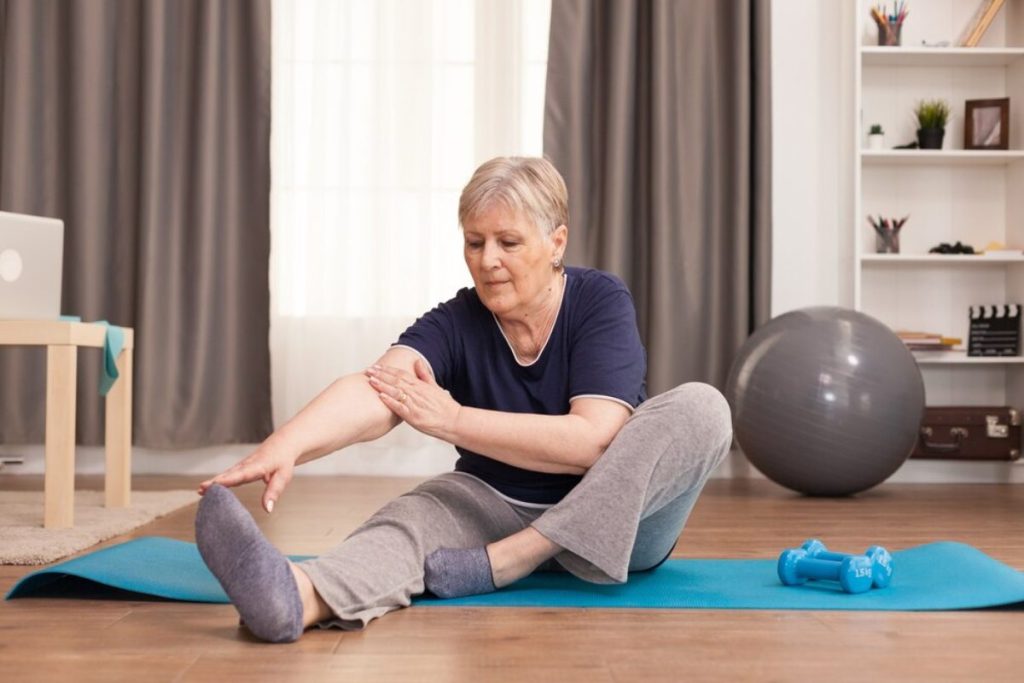
Stretching should be done slowly and without forcing movements. Gentle stretches held for short periods are often sufficient.
Strength Training with Light Resistance
Muscles surrounding joints provide support and stability. Light strength training can help maintain muscle tone, which indirectly supports joint health.
Joint-friendly strength options include:
- Resistance bands
- Light hand weights
- Bodyweight movements
The focus should be on controlled movements and proper form rather than lifting heavy weights.
Balance Exercises
Good balance reduces the risk of falls and supports joint coordination.
Examples of balance exercises:
- Standing on one foot (with support nearby)
- Heel-to-toe walking
- Gentle balance-focused routines
Improved balance helps joints move more confidently during daily activities.
Tai Chi and Gentle Movement Practices
Tai Chi is often recommended for seniors because it emphasizes slow, flowing movements and body awareness.
Why Tai Chi supports joint health:
- Encourages smooth joint motion
- Promotes balance and coordination
- Reduces tension through controlled breathing
Many seniors find Tai Chi enjoyable and easy to adapt to their comfort level.
How Often Should Seniors Exercise for Joint Health?
Consistency is more important than duration. Many seniors benefit from:
- Short daily movement sessions
- Alternating different types of exercises
- Listening to their body’s comfort signals
Rest days are also important, allowing joints time to recover between activities.
Tips for Exercising Safely
To make joint-friendly exercise more effective and comfortable:
- Warm up before starting
- Use supportive footwear
- Stay hydrated
- Avoid sudden or jerky movements
- Stop if discomfort increases
It’s also helpful to choose exercises that feel enjoyable rather than stressful.
Staying Motivated and Consistent
Maintaining an exercise routine is easier when it becomes part of daily life.
Helpful strategies include:
- Exercising with friends or family
- Joining senior-friendly fitness classes
- Setting small, realistic goals
- Tracking progress gently
Consistency supports long-term joint comfort and mobility.
Final Thoughts
Joint health plays a vital role in helping seniors stay active, comfortable, and independent. The best exercises for joint health are those that promote gentle movement, flexibility, strength, and balance—without unnecessary strain.
By choosing low-impact, joint-friendly exercises and practicing them regularly, seniors can support their mobility and overall quality of life well into later years.
Disclaimer
This article is for informational purposes only and does not replace professional medical advice. Exercise suitability may vary based on individual health conditions. Seniors should consult a qualified healthcare professional before starting any new exercise routine.