


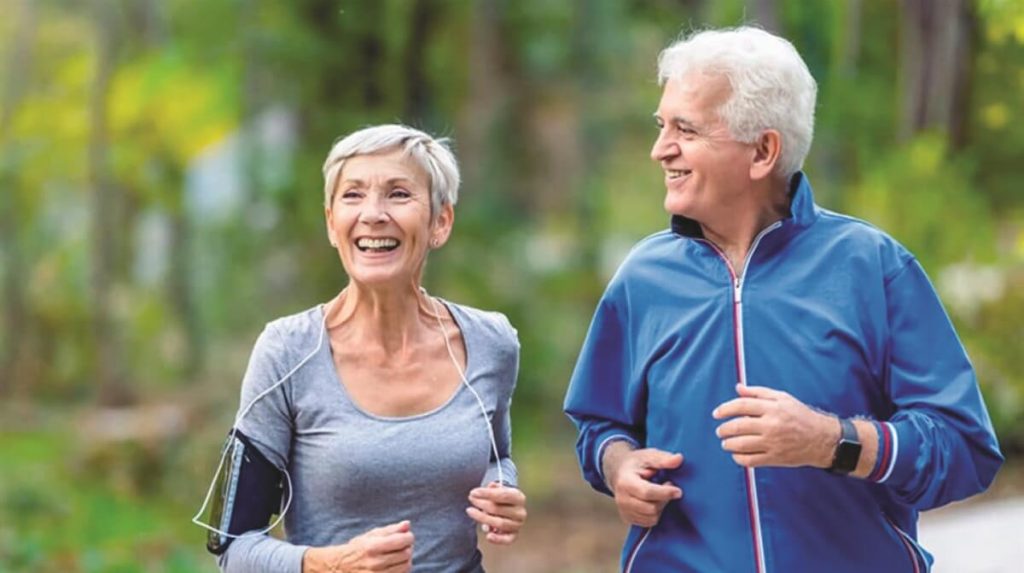
As people grow older, changes in the body become more noticeable—especially in the joints. Joint pain, stiffness, and reduced mobility are common concerns among older adults and can significantly affect daily activities, independence, and overall quality of life. Understanding how aging affects joints and learning practical ways to care for them can help seniors stay active, comfortable, and confident as they age.
This article explains why joint problems become more common with age, the most frequent joint-related conditions in the elderly, and practical, senior-friendly care tips to support long-term joint health.
Why Do Joints Change as We Age?
Joints are the connections between bones that allow movement. Over time, natural wear and tear, combined with biological changes, can affect how joints function.
Age-related changes in joints include
- Thinning of cartilage that cushions joints
- Reduced production of synovial fluid (joint lubrication)
- Loss of muscle strength that supports joints
- Decreased flexibility of ligaments and tendons
- Slower tissue repair and regeneration
These changes do not happen overnight, but they gradually increase the risk of joint discomfort and mobility issues.
Common Joint Problems in the Elderly
Joint conditions vary in severity and impact, but several issues are especially common among older adults.
Osteoarthritis
Osteoarthritis is the most common joint condition affecting seniors. It occurs when the cartilage that cushions joints gradually wears down.
Commonly affected joints
- Knees
- Hips
- Hands
- Spine
Typical symptoms
- Joint pain during or after movement
- Stiffness, especially in the morning
- Reduced range of motion
- Swelling or tenderness
Osteoarthritis develops slowly and may worsen over time without proper management.
Joint Stiffness and Reduced Flexibility
Many seniors experience stiffness even without a specific diagnosis.
Why stiffness increases with age
- Reduced physical activity
- Changes in connective tissue
- Muscle shortening
Stiffness can make simple tasks—like standing up, climbing stairs, or reaching—more difficult.
Inflammation and Swelling
Aging joints may become more sensitive to inflammation due to:
- Chronic conditions
- Previous injuries
- Reduced immune regulation
Inflammation often causes pain, warmth, and swelling around the joint.
Reduced Muscle Support Around Joints
Muscles play a key role in stabilizing joints. With age, muscle mass naturally declines, a process known as age-related muscle loss.
Impact on joints
- Less joint stability
- Increased strain on cartilage
- Higher risk of falls and injury
Maintaining muscle strength is essential for joint protection.
Joint Pain from Past Injuries
Old injuries from earlier life—such as fractures, sports injuries, or repetitive strain—can contribute to joint problems later in life.
How Joint Problems Affect Daily Life
Joint issues can interfere with:
- Walking and balance
- Dressing and bathing
- Household chores
- Sleep quality
- Social activities
Over time, untreated joint problems may reduce independence and increase the risk of falls.
Care Tips for Maintaining Joint Health in the Elderly
Although aging cannot be stopped, joint health can be supported through consistent care and lifestyle adjustments.
Stay Physically Active (Safely)
Regular movement helps keep joints flexible and lubricated.
Senior-friendly activities
- Walking
- Swimming or water aerobics
- Gentle stretching
- Tai chi or yoga for seniors
Low-impact exercise reduces stiffness without overloading joints.
Maintain a Healthy Body Weight
Excess body weight places additional stress on joints, especially the knees and hips.
Benefits of weight management
- Reduced joint pressure
- Less pain during movement
- Slower progression of joint degeneration
Even small weight reductions can make a noticeable difference.
Strengthen Muscles Around the Joints
Strong muscles help absorb shock and stabilize joints.
Helpful exercises
- Light resistance training
- Chair-based strength exercises
- Physical therapy-guided routines
Strength training should be age-appropriate and supervised when necessary.
Protect Joints During Daily Activities
Simple adjustments can reduce joint strain.
Examples
- Use supportive footwear
- Avoid repetitive motions
- Take breaks during tasks
- Use assistive tools for gripping or lifting
Joint protection helps prevent further damage.
Manage Stiffness with Heat and Cold
Temperature therapy can offer temporary relief.
- Heat helps relax stiff muscles and joints
- Cold helps reduce inflammation and swelling
Use heat or cold packs for short periods and follow safety guidelines.
Pay Attention to Posture and Body Mechanics
Poor posture can increase joint stress, especially in the spine, hips, and knees.
Helpful habits
- Sit with back support
- Stand upright with even weight distribution
- Avoid slouching
Good posture supports long-term joint health.
Eat a Balanced, Nutrient-Rich Diet
Nutrition plays a role in joint health.
Key nutrients for joints
- Protein (for muscle support)
- Calcium and vitamin D (for bone health)
- Omega-3 fatty acids (may help inflammation)
A balanced diet supports overall musculoskeletal health.
Stay Hydrated
Adequate hydration helps maintain joint lubrication and tissue health.
Use Assistive Devices When Needed
Assistive tools are not a sign of weakness—they support independence.
Examples
- Canes or walkers
- Knee or wrist supports
- Grab bars at home
Using the right device can reduce pain and prevent falls.
Know When to Seek Medical Advice
Persistent joint pain should not be ignored.
Consult a healthcare provider if
- Pain is severe or worsening
- Joints are swollen or warm
- Mobility is significantly reduced
- Pain interferes with sleep or daily activities
Early evaluation helps prevent complications.
Mental and Emotional Impact of Joint Problems
Chronic joint pain can affect mood and mental health.
Common challenges
- Frustration
- Reduced social activity
- Anxiety about movement
- Loss of independence
Support from family, caregivers, and healthcare professionals is important.
Preventing Falls and Injuries
Joint issues increase fall risk.
Prevention strategies
- Keep living spaces clutter-free
- Install handrails and proper lighting
- Wear non-slip footwear
- Maintain strength and balance
Fall prevention protects joints and overall health.
Healthy Aging Means Caring for Joints Early
Joint care is most effective when practiced consistently over time. Small daily habits—movement, posture, nutrition, and awareness—add up to meaningful benefits.
Bottom Line
Aging naturally affects joints, leading to stiffness, pain, and reduced mobility for many older adults. However, joint problems are not an unavoidable part of aging. With proper care, regular movement, strength maintenance, and early attention to discomfort, seniors can protect their joints and remain active and independent.
Understanding how joints change with age empowers older adults and caregivers to take proactive steps toward healthier, more comfortable aging.
Disclaimer: This article is for educational purposes only and does not substitute professional medical advice. Always consult a qualified healthcare provider regarding joint pain or mobility concerns.